
Two patients participating in the study developed cancer years after treatment
TUESDAY, Feb. 23, 2021 (HealthDay News) — A clinical trial of a new gene therapy for sickle cell disease that has shown promise has been halted after two participants were diagnosed with cancer.
Therapy developer Bluebird Bio said a patient who was treated five years ago developed myelodysplastic syndrome, while another developed acute myeloid leukemia, The New York Times reported.
Though it is not yet clear what caused the cancers, one possibility is that the disabled virus used to deliver the gene therapy damaged crucial DNA in blood-forming cells in the patients’ bone marrows. That would be the worst-case scenario, said John Tisdale, M.D., head of the cellular and molecular therapeutics branch at the National Heart, Lung, and Blood Institute.
But there is also the likelihood that both cancers were caused by a powerful drug, busulfan, which is used to clear bone marrow to make space for new cells modified by gene therapy. Busulfan is known to raise blood cancer risk, Tisdale noted.
Muddying the issue even further is the fact that people with sickle cell disease are known to have an increased risk for leukemia, even without treatment. Still, no one would expect two patients in a small trial to get the disease, The Times said.
 Cretostimogene Promising for High-Risk, Non-Muscle-Invasive Bladder Cancer
  Aglatimagene Besadenovec + Valacyclovir Ups DFS in Localized Prostate Cancer
  Low Placental Growth Factor Predicts Early-Onset Preeclampsia in Patients With SCD
  Lentiviral Gene Therapy Shows Sustained Clinical Efficacy for ADA-SCID
 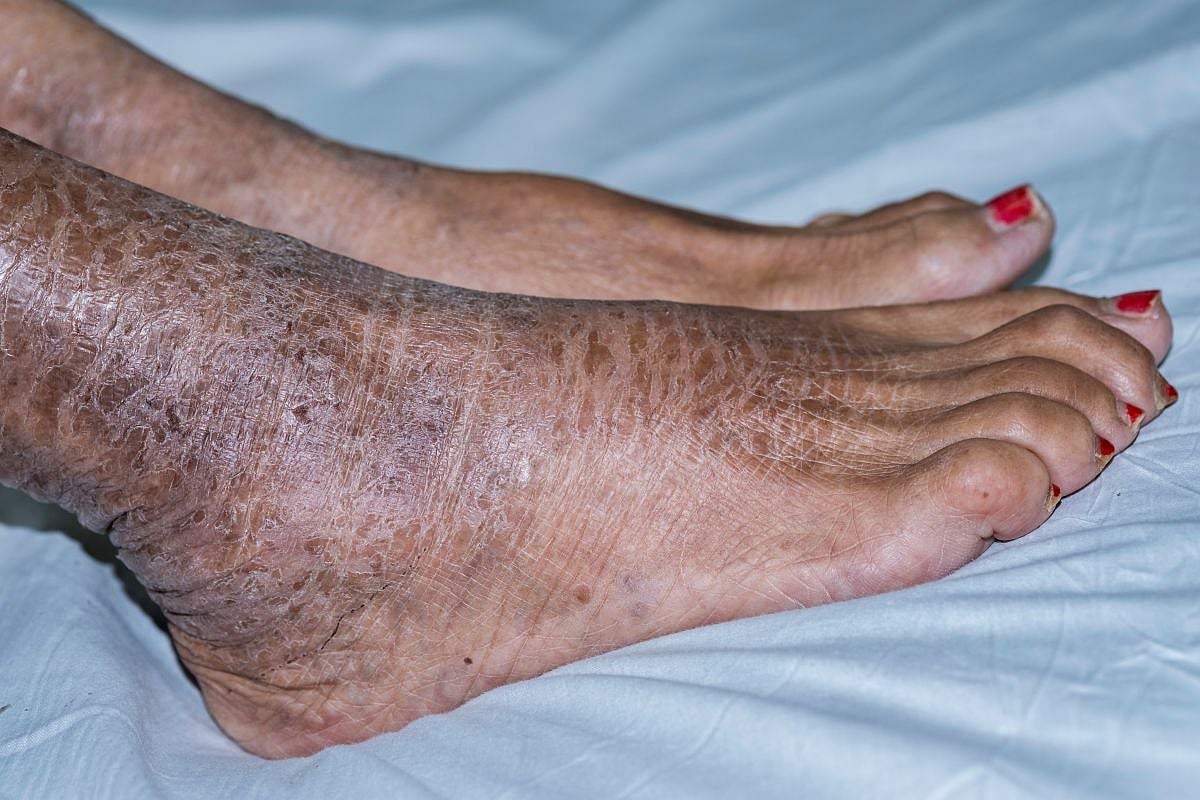 Congenital Ichthyosis Linked to Allergic Disorders
  Patient Education Increases Skin Cancer Screening in Stem Cell Transplant Survivors
  Disease-Specific Immune Trajectories Identified Years Before IBD Onset
  Guidelines Issued for Management of Acute Lymphoblastic Leukemia in Teens, Young Adults
.jpeg)