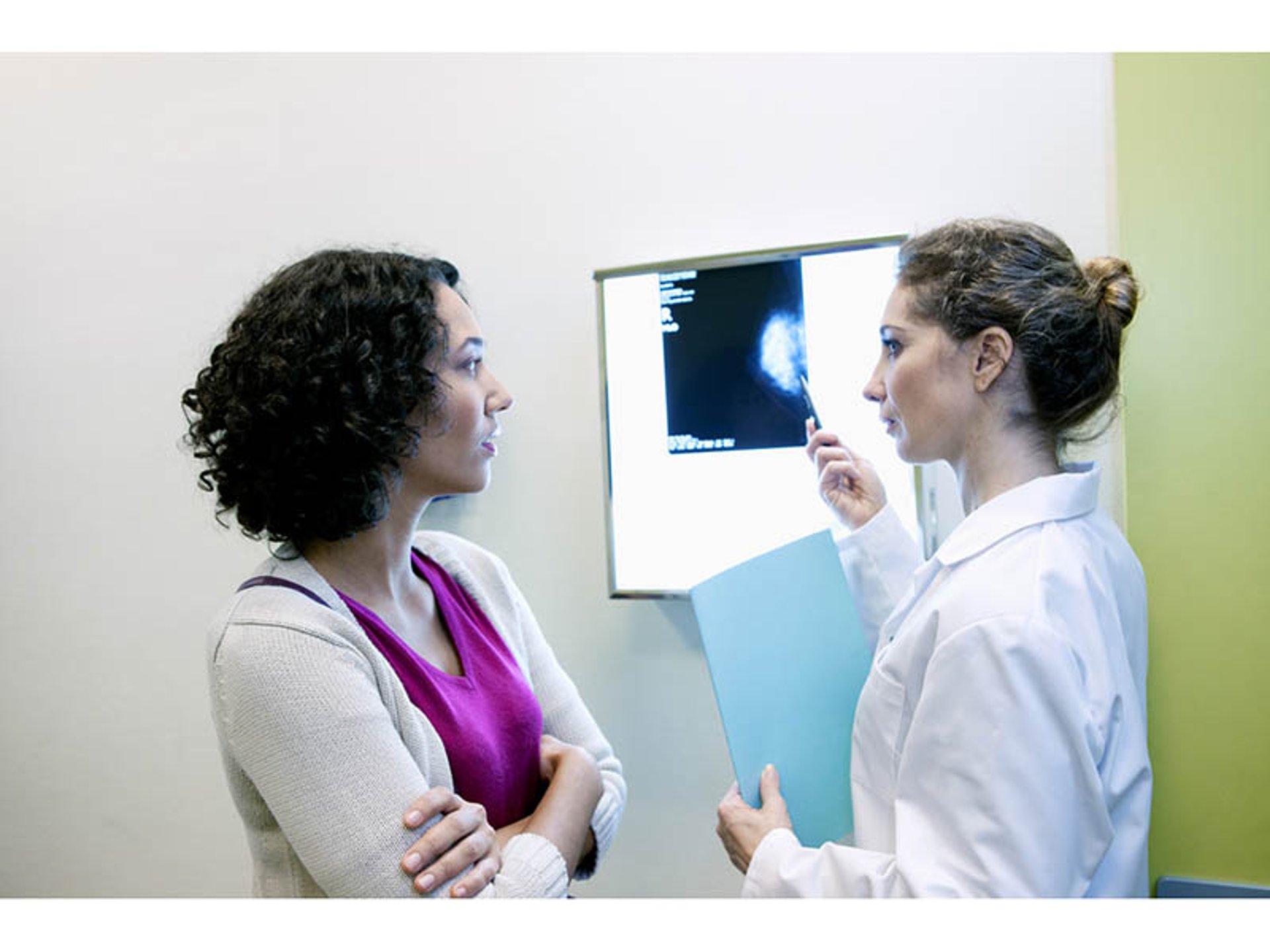
However, mammography and colonoscopy rates rebounded substantially by the end of July
THURSDAY, April 15, 2021 (HealthDay News) — Following the COVID-19 national emergency declaration March 13, 2020, mammography and colonoscopy rates declined by more than 90 percent among commercially insured American adults, according to a report published online March 19 in the Journal of General Internal Medicine.
Ryan K. McBain, Ph.D., from the RAND Corporation in Boston, and colleagues examined mammography and colonoscopy rates among commercially insured U.S. adults (aged 46 to 64 years) before and after the declaration of the COVID-19 public health emergency (Jan. 15 to July 31, 2020). The authors also sought to identify county-level characteristics predictive of screening rates.
The researchers found that prior to the national emergency declaration, the median weekly rate of screening mammography was 87.8 women per 10,000 beneficiaries, which declined to 6.9 in April (a 96 percent decline) but rebounded by the end of July to 88.2 screenings per 10,000 beneficiaries. Similarly, colonoscopy screenings declined from 15.1 per 10,000 beneficiaries to 0.9 (a 95 percent decline) and rebounded to 12.6 per 10,000 beneficiaries during the same time period. A sharper decline in highest-income quartile counties was seen for colonoscopy screenings compared with the lowest-income quartile counties, but there were no significant demographic differences noted for mammography screening rates.
“Despite an even larger spike in COVID case rates during summer months, cancer screening rates continued to rebound to pre-COVID levels — suggesting that health systems were able to recalibrate resources and protocols in a relatively short interval,” the authors write.
One author disclosed financial ties to the pharmaceutical industry.
 Mammography Trials Yield Excess-Incidence Patterns Consistent With Low Overdiagnosis
  Surveillance Colonoscopy at Five Years After Adenoma Removal Noninferior to Three Years
  AI-Supported Mammography Screening Noninferior to Double Reading for Interval Cancer Rate
  Most Women Support AI Assistance in Mammogram Interpretation
  Lower Breast, Cervical Cancer Screening Seen for Adults With Disabilities
  Alcohol-Attributable Cancer Mortality Has Increased Significantly in the U.S.
  Chemo-Free Combo of Four Targeted Therapies Shows Promise in Metastatic Breast Cancer
  AMH Predicts Benefit of Chemo + Endocrine Therapy in Under 55s With Breast Cancer