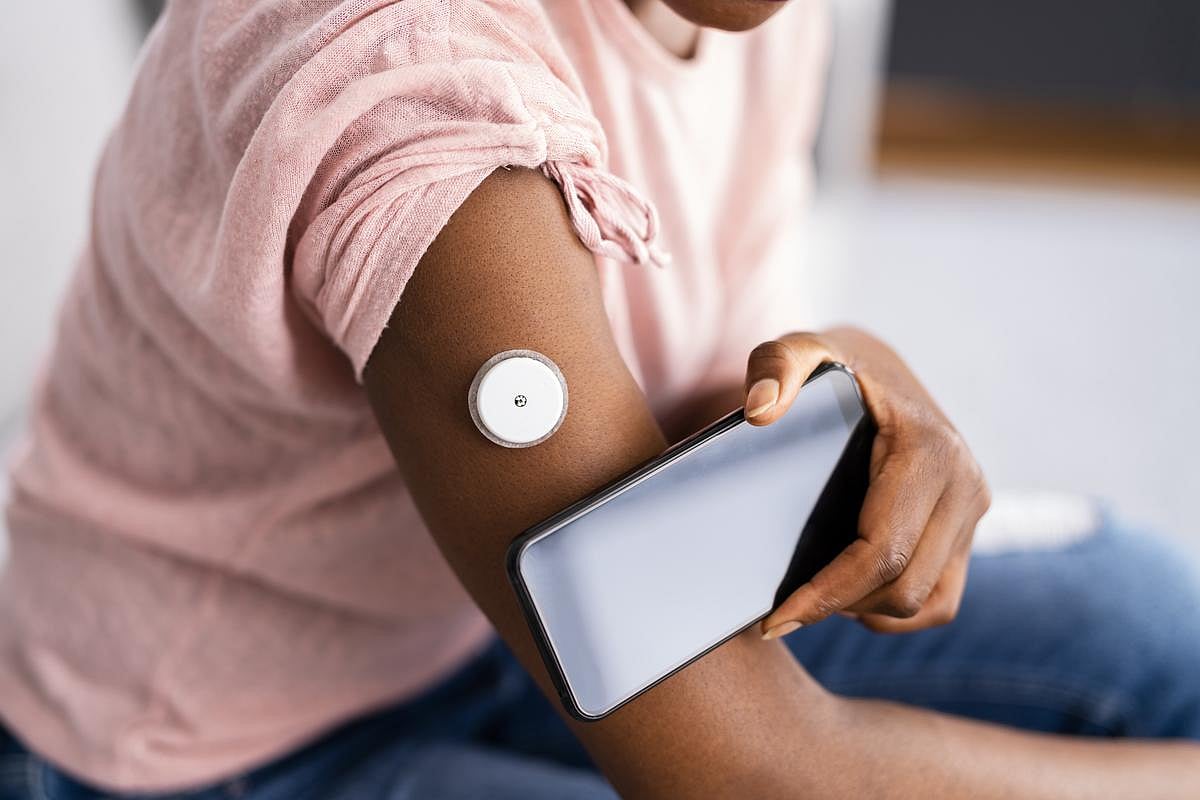
Odds are lessened with regular diabetes-related medical care
TUESDAY, July 23, 2024 (HealthDay News) — The prevalence of impaired awareness of hypoglycemia (IAH) is high among patients using sulfonylureas long term, according to a study published in the July/August issue of the Annals of Family Medicine.
Hsiang-Ju Cheng, M.D., from the National Cheng Kung University in Tainan, Taiwan, and colleagues investigated the relationship between duration of medication use and prevalence of IAH among patients with insulin-treated or sulfonylurea-treated type 2 diabetes. Analysis included 898 patients (41.0 percent insulin users; 65.1 percent sulfonylurea users).
The researchers found that overall, IAH prevalence was 41.0 percent using the Gold questionnaire and 28.2 percent using the Clarke questionnaire among insulin users, and 65.3 and 51.3 percent, respectively, among sulfonylurea users. For sulfonylurea use, prevalence increased with longer duration, whereas it decreased with the duration of insulin use. Five or more years of sulfonylurea use was significantly associated with threefold increases in the odds of IAH, regardless of criteria used. Regular blood glucose testing and retinal examinations cut odds of IAH in both insulin and sulfonylurea users.
“The reasons for the differential association of hypoglycemia history with IAH between insulin users and sulfonylurea users need more study,” the authors write.
 Long-Term Medication Adherence Tied to Lower Cardiovascular Event Rate in Type 2 Diabetes
 .jpg) Semaglutide Not Linked to Higher Neovascular Age-Related Macular Degeneration Risk
Semaglutide Not Linked to Higher Neovascular Age-Related Macular Degeneration Risk  GLP-1 Receptor Agonist Use Does Not Increase Insulin Discontinuation With Type 2 Diabetes
  GLP-1 Receptor Agonist Use Linked to Higher Risk for Ischemic Optic Neuropathy
  Genetics, Diabetes Tied to MASLD-Associated Cirrhosis Before Age 50
  Study IDs Risk Factors for Ketoacidosis in Adults With T2D Receiving SGLT2 Inhibitors
  AHA: Consuming Up to 400 mg/Day of Caffeine Safe for Most Adults