


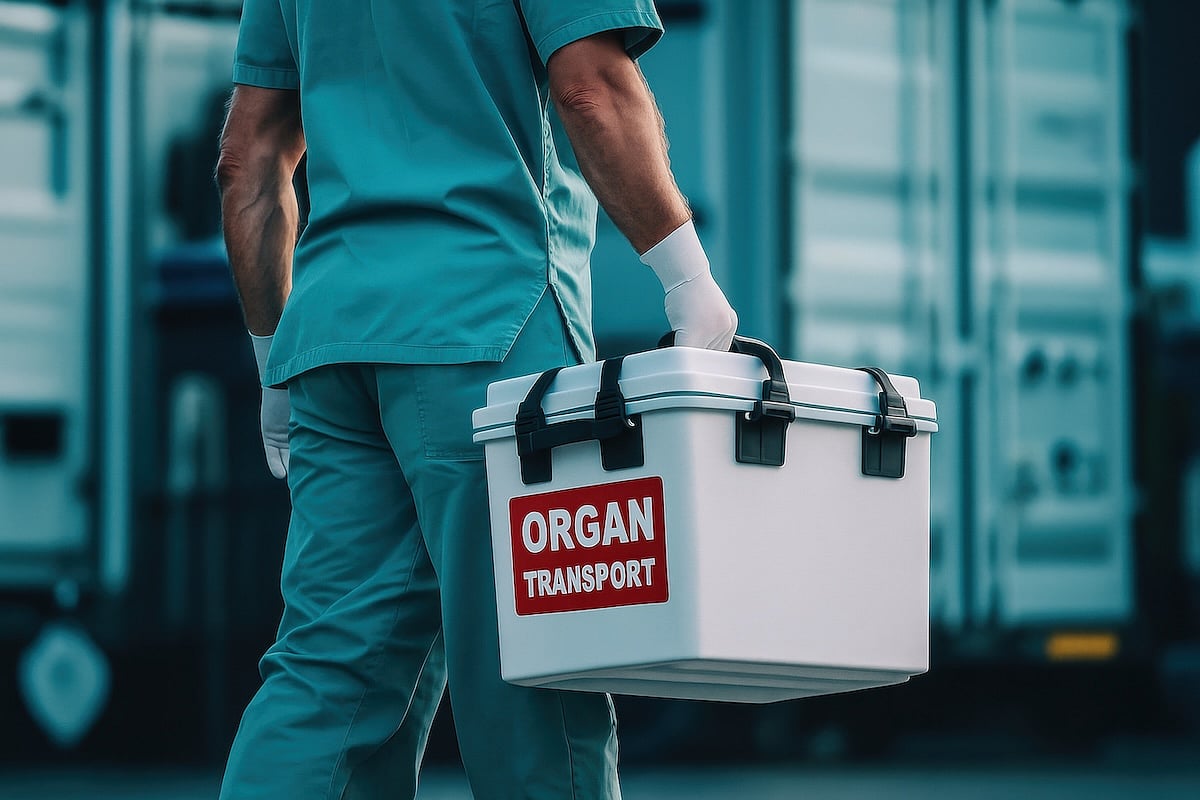
Contemporary DCD donors were older, had higher BMI, and were more likely to have diabetes, hypertension, hep C virus
TUESDAY, March 3, 2026 (HealthDay News) — By 2025, donation after circulatory death (DCD) donors comprised about half of deceased organ donors, according to a study published online Feb. 26 in the Journal of the American Medical Association.
Syed Ali Husain, M.D., from NYU Langone Health in New York City, and colleagues described secular trends in DCD donation using data from the Organ Procurement and Transplantation Network, which identified all U.S. deceased donor organs recovered between Jan. 1, 2000, and Dec. 31, 2025.
The researchers found that from 2000 to 2025, there was an increase in DCD donors from 118 (2 percent of all donors) to 8,129 (49 percent), while donation after brain death donors increased from 5,849 to 8,416, respectively. For all organs, there was an increase in DCD organ recovery; by 2025, 49, 43, 24, 24, and 12 percent of recovered kidneys, livers, lungs, hearts, and pancreata were via DCD, corresponding to 45, 39, 19, 23, and 10 percent of deceased organ transplants, respectively. In 2025, there was organ procurement organization (OPO)-level heterogeneity in DCD donor organ recovery, ranging from 11 to 73 percent of donors; more than 50 percent of donors at 24 OPOs (44 percent) were DCD. Contemporary DCD donors were older, had a higher body mass index, were more likely to have diabetes, hypertension, and hepatitis C virus, and were more likely to have died due to anoxia compared with earlier eras.
“Our findings reveal that a rise in donations after circulatory death makes organ transplantation possible for thousands of patients who might otherwise die on the waitlist,” Husain said in a statement.
Several authors disclosed ties to the biopharmaceutical and publishing industries.
Abstract/Full Text (subscription or payment may be required)
 Early Complications Common in Older Kidney Transplant Recipients
  9 of 10 Leading Causes of Death Unchanged From 2023 to 2024
  Cirrhosis Can Recur After Liver Transplant
  Combo of Step Count and Step Pace Tied to Lower Risk for Early Death
  Isometric Exercise Training Three Times a Week Preserves Cardiovascular Benefits
  Exercise-Based Cardiac Rehab Beneficial for Coronary Heart Disease
  Aerobic Training, Behavioral Interventions Both Clinically Improve Asthma Control
  Smartwatches Significantly Overestimate How Many Calories Are Burned


.jpg)

