


Guideline Development Group strongly recommends against its use in nonsevere COVID-19, recommends against use in severe, critical illness
TUESDAY, Dec. 7, 2021 (HealthDay News) — Convalescent plasma is not recommended for patients with nonsevere, severe, or critical COVID-19, according to a living World Health Organization guideline published online Dec. 7 in The BMJ.
Arnav Agarwal, M.D., from McMaster University in Hamilton, Ontario, Canada, and colleagues developed a living guideline to replace earlier versions regarding the role of drugs in the treatment of patients with COVID-19. Recommendations on convalescent plasma were included based on pooled data from 16 randomized controlled trials with 16,236 patients.
The researchers note that the Guideline Development Group (GDG) strongly recommends against use of convalescent plasma for patients with nonsevere illness and recommends against its use in patients with severe and critical illness, unless in the context of a trial. These recommendations were based on evidence indicating no clear benefit for critical outcomes, such as mortality and mechanical ventilation for patients with nonsevere, severe, or critical illness, and significant resource requirements for plasma administration.
“Given there was no benefit demonstrated in any of the critical or important outcomes for nonsevere covid-19, the GDG did not see any justification for the resources (including time and cost) that would be associated with administration of convalescent plasma,” the authors write.
 Ultrasound-Guided Hydrodissection Yields Improvements in Carpal Tunnel
  Nearly 1 in 5 Patients Report Exposure to Ophthalmic Treatments Perceived as Bogus
 .jpg) Mortality Lowest at Hemoglobin Concentrations Above WHO Thresholds
Mortality Lowest at Hemoglobin Concentrations Above WHO Thresholds 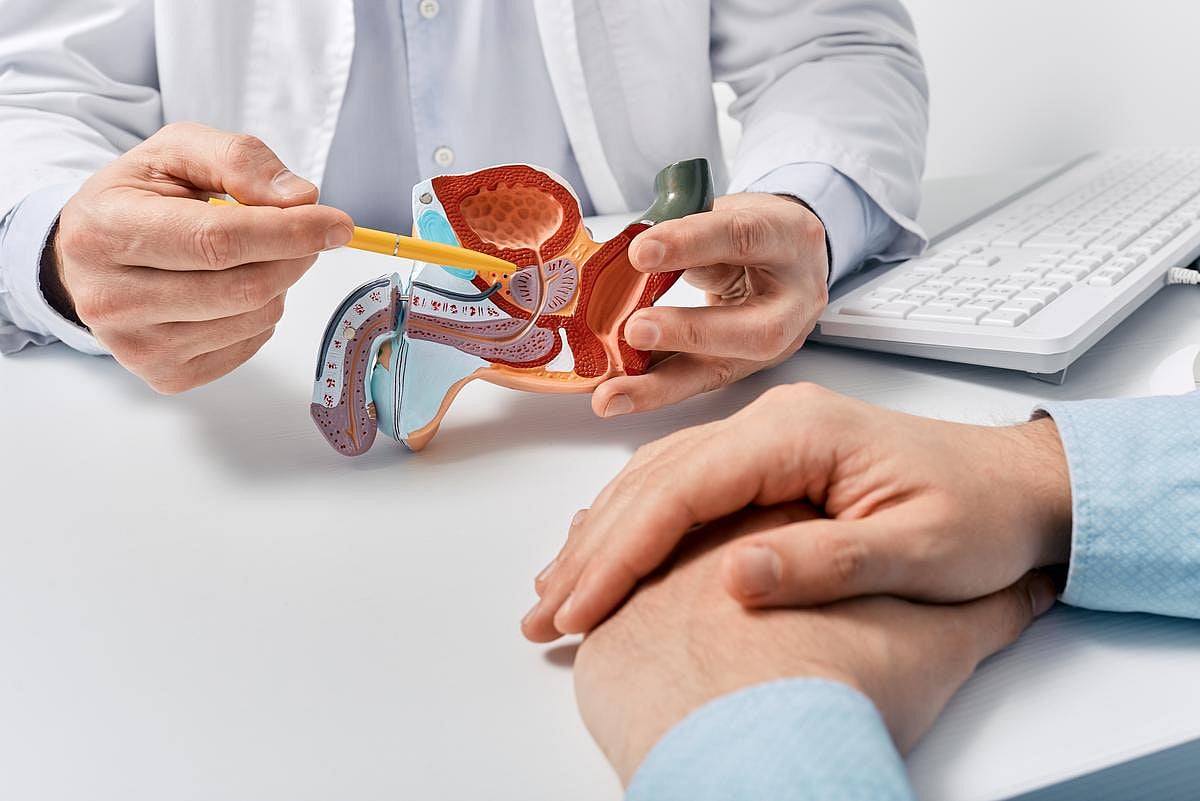 Focal Therapy Use Remains Uncommon in Nonmetastatic Prostate Cancer
 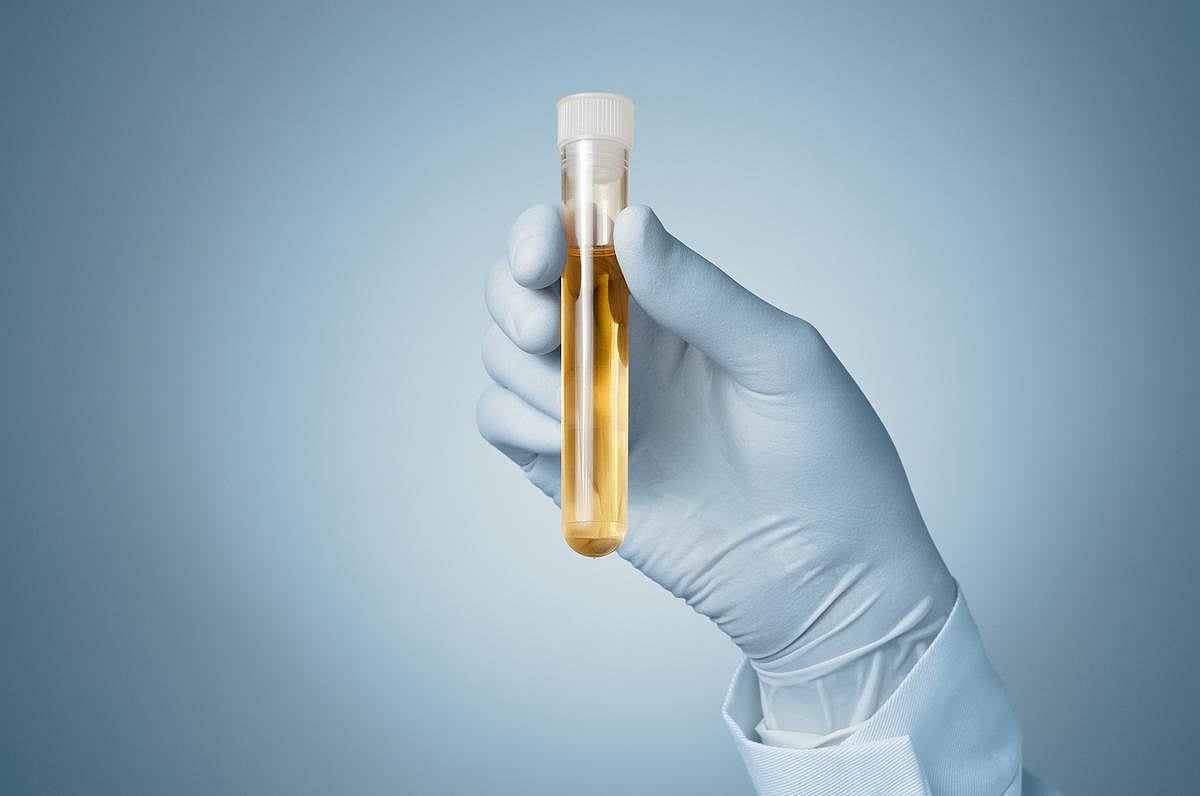 Urine Cell-Free RNA Shows Promise as Biomarker for Bladder Cancer
  Pre-Prostate Biopsy MRI Use Increased From 2017 to 2026
 .jpeg) Higher Intake of Saturated, Animal Fats May Increase Mortality in Prostate Cancer
Higher Intake of Saturated, Animal Fats May Increase Mortality in Prostate Cancer  Adverse Pathological Features Do Not Predict Benefit of Hormone Therapy in Prostate Cancer


.jpg)

