Among long-term breast cancer survivors, insomnia further elevates depression risk
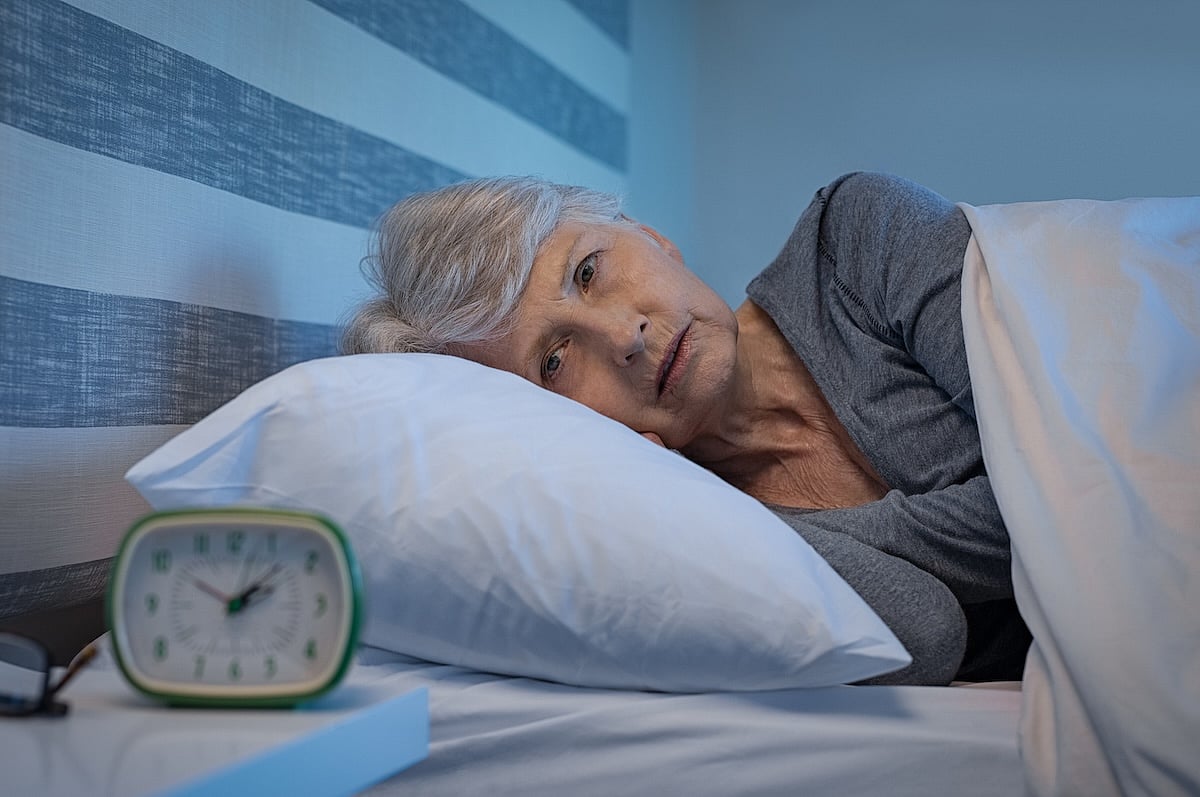
MONDAY, Nov. 10, 2025 (HealthDay News) — Long-term breast cancer survivors have a higher risk for developing depression, particularly if they have insomnia, according to a study published online Oct. 10 in SLEEP.
Michael R. Irwin, M.D., from the University of California, Los Angeles, and colleagues examined the incidence of depression and whether insomnia exaggerates depression risk in long-term breast cancer survivors. The analysis included 310 female breast cancer survivors (aged 55 to 85 years), at least two years postdiagnosis, and 309 aged-matched controls followed for 32 months.
The researchers found that the risk for depression was higher among breast cancer survivors than controls (hazard ratio, 5.94). Insomnia (defined as ≥8 on the Insomnia Severity Index) further increased depression risk among breast cancer survivors (hazard ratio, 9.91), but not among controls.
“Older adult, long-term breast cancer survivors show an increased likelihood of depression as compared to those without cancer,” the authors write. “Given that insomnia is a priority target for selective depression prevention, direct evidence of the effectiveness of insomnia treatment in the prevention of depression in breast cancer survivors is needed.”
 Mammography Trials Yield Excess-Incidence Patterns Consistent With Low Overdiagnosis
  Air Pollution Tied to Higher Risk for Suicide
  Psychiatrists Only Agree 55 Percent of the Time on Diagnoses
  Youth Suicide Risk Linked to Community Firearm Violence
  2021 to 2026 Saw Increase in State Funding for Suicide Prevention
  Trends Reported in Vaccination Coverage for Adolescents for 2025
  Social Media Warnings Could Discourage Use Among Teens, Young Adults
  About 1 in 20 Hospitalized U.S. Adults With Firearm Injuries Develop Bacterial Infections
 .jpg)