


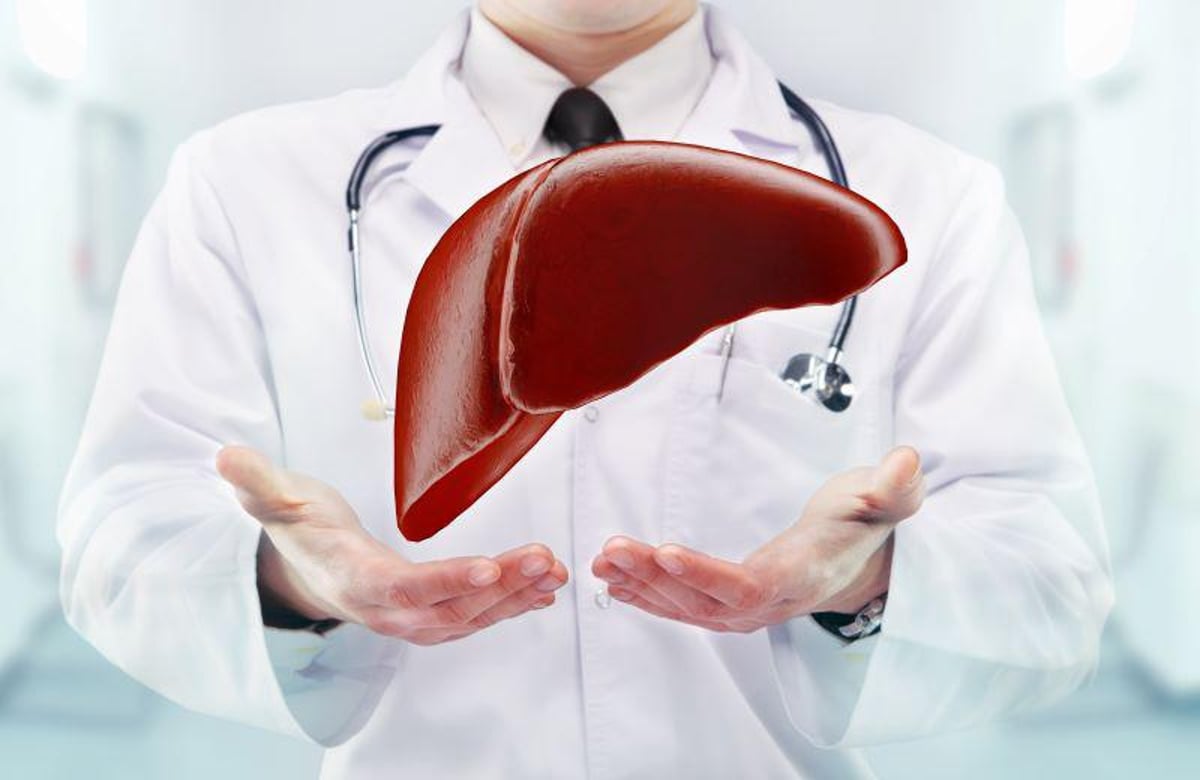
Recurrence-free survival of 62 percent, overall survival of 100 percent at 1.5 years after LDLT in select patients
FRIDAY, April 1, 2022 (HealthDay News) — For select patients with liver-confined, unresectable colorectal cancer liver metastases (CRLM), total hepatectomy and living-donor liver transplant (LDLT) is associated with good rates of recurrence-free and overall survival, according to a study published online March 30 in JAMA Surgery.
Roberto Hernandez-Alejandro, M.D., from the University of Rochester Medical Center in New York, and colleagues examined survival outcomes of LDLT for unresectable, liver-confined CRLMs in a prospective cohort study. Of 91 evaluated patients, 10 (11 percent) underwent an LDLT between July 2017 and October 2020 and were followed up until May 1, 2021.
The researchers found that seven of the 10 living donors were male, with a median age of 40.5 years. The Kaplan-Meier estimates were 62 and 100 percent for recurrence-free and overall survival, respectively, at 1.5 years after LDLT. For both donors and recipients, perioperative morbidity was consistent with established standards.
“Careful patient selection remains the key for ensuring acceptable oncologic outcomes for this disease,” the authors write. “The field of transplant oncology should move toward unified criteria that may facilitate the incorporation of selected patients with CRLMs into the standard organ-allocation systems.”
Two authors disclosed financial ties to the pharmaceutical, medical device, and life science industries.
 Early Complications Common in Older Kidney Transplant Recipients
  Steatotic Liver Disease Risk Scores Compared for Predicting Cirrhosis
  Surveillance Colonoscopy at Five Years After Adenoma Removal Noninferior to Three Years
  Cirrhosis Can Recur After Liver Transplant
  Genetics, Diabetes Tied to MASLD-Associated Cirrhosis Before Age 50
  Increase Seen in Rates of Xenobiotic-Induced Liver Injury From 2020 to 2024
  Link Between Liver Fibrosis in MASLD, ASCVD Varies by Glycemic Status


.jpg)

