


Risk associated with six hours or less and nine or more hours of sleep
WEDNESDAY, Oct. 15, 2025 (HealthDay News) — The risk for overactive bladder (OAB) is associated with both short and long sleep duration, according to a study published online Sept. 17 in Frontiers in Medicine.
Ciyi Guan, from the Eighth Clinical Medical College of Guangzhou University of Traditional Chinese Medicine in China, and colleagues evaluated associations of sleep duration and sleep disorders with the risk for OAB. The analysis included 27,302 adults participating in the National Health and Nutrition Examination Survey (2005 to 2018).
The researchers found a significant nonlinear, U-shaped relationship between sleep duration and OAB risk. Those with short sleep duration (six hours or less) had a slightly lower risk for OAB (odds ratio [OR], 0.94), while those with long sleep duration (nine hours or more) had a significantly higher risk (OR, 2.54) compared with individuals with a sleep duration of six to nine hours. There was an independent association between self-reported sleep disorders and an elevated risk for OAB (OR, 1.46). Six hours of sleep was a critical inflection point identified by a restricted cubic splines analysis.
“Behavioral interventions, including sleep hygiene education and bladder training, may help mitigate symptoms and improve patient outcomes,” the authors write.
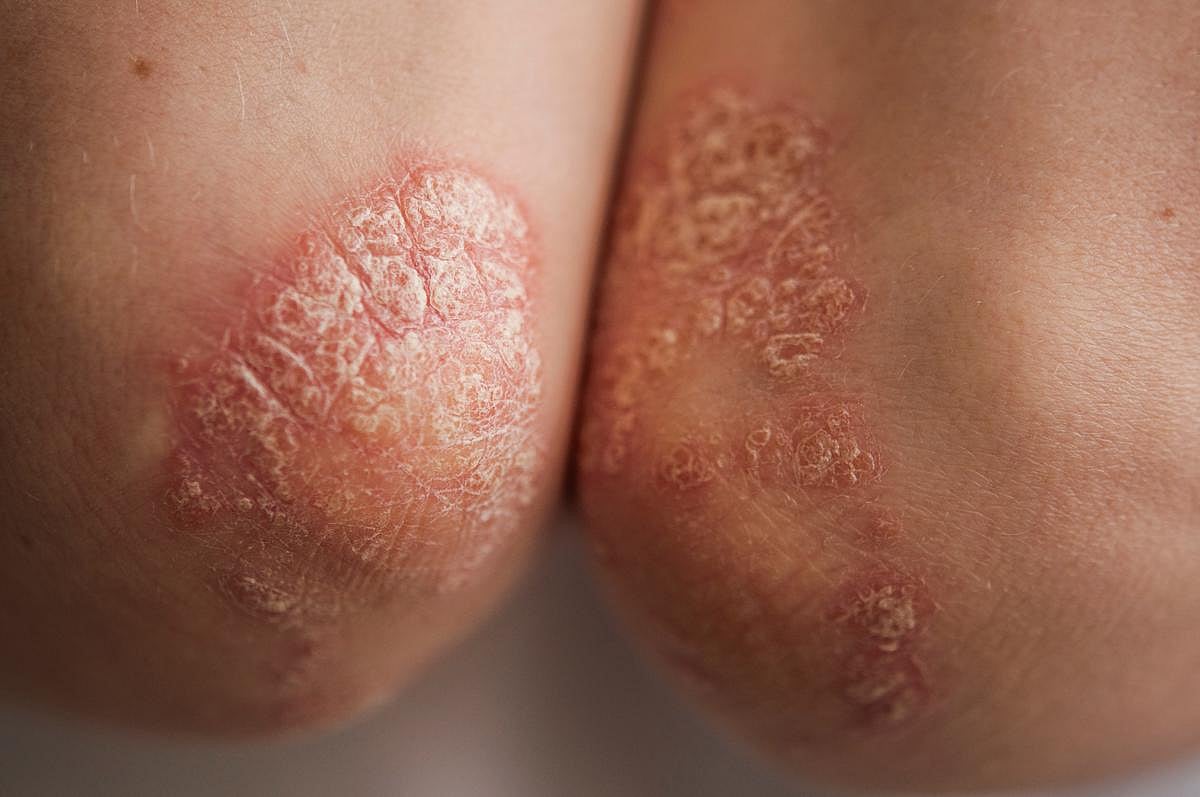 Mortality, Comorbidity Risk Increased With Generalized Pustular Psoriasis
  Less Intraoperative Crystalloid Fluid Not Tied to Worse Surgical Outcomes
  Mom"s Poor Sleep in Late Pregnancy Linked to Offspring"s Obesity Risk in Early Childhood
  Past Blast Exposure Tied to Long-Term Chronic Medical Diagnoses in Veterans
  People With ADHD Experience 50 Percent More GI Symptoms
  Extreme Heat Linked to 33 Clinically Reportable Diagnoses
  1 in 4 Former NFL Players Had CTE at Death in 2016 to 2021
  Aircrew Face Higher Odds of Radiation-Related Cancer Deaths




.jpg)