Most misuse inhalers due to critical error in the inhalation technique
FRIDAY, Aug. 23, 2024 (HealthDay News) — Among patients hospitalized with a diagnosis of chronic obstructive pulmonary disorder (COPD), two-thirds of inhalers assessed at admission are misused, according to a study published in the July issue of Chronic Obstructive Pulmonary Diseases.
Gaël Grandmaison, M.D., from the University and Hospital of Fribourg in Switzerland, and colleagues describe the prevalence of misused inhalers among patients hospitalized with COPD in a department of general internal medicine. The analysis included 96 consecutive patients with a diagnosis of COPD and hospitalized in the internal medicine division between August 2022 and April 2023.
The researchers found that of the 160 inhalers assessed at admission, 69.4 percent were misused, including 65.6 percent due to the presence of a critical error in the inhalation technique and 13.8 percent due to insufficient peak inspiratory flow. Additionally, 16.9 percent of inhalers were unsuitable, while 82.3 percent of patients used at least one misused inhaler.
“Education is key to increasing the effectiveness of inhaled medications, and many clinicians — and often even the patients themselves — are unaware that patients are having difficulty getting enough medication into their lungs,” coauthor Valerie G. Press, M.D., M.P.H., from the University of Chicago, said in a statement. “Additional inhaler technique education is needed to ensure patients are using the device correctly, especially when multiple inhaled medications are prescribed. Additional education, supported by the necessary resources, would help ensure patients are receiving optimal treatment and avoiding adverse health outcomes.”
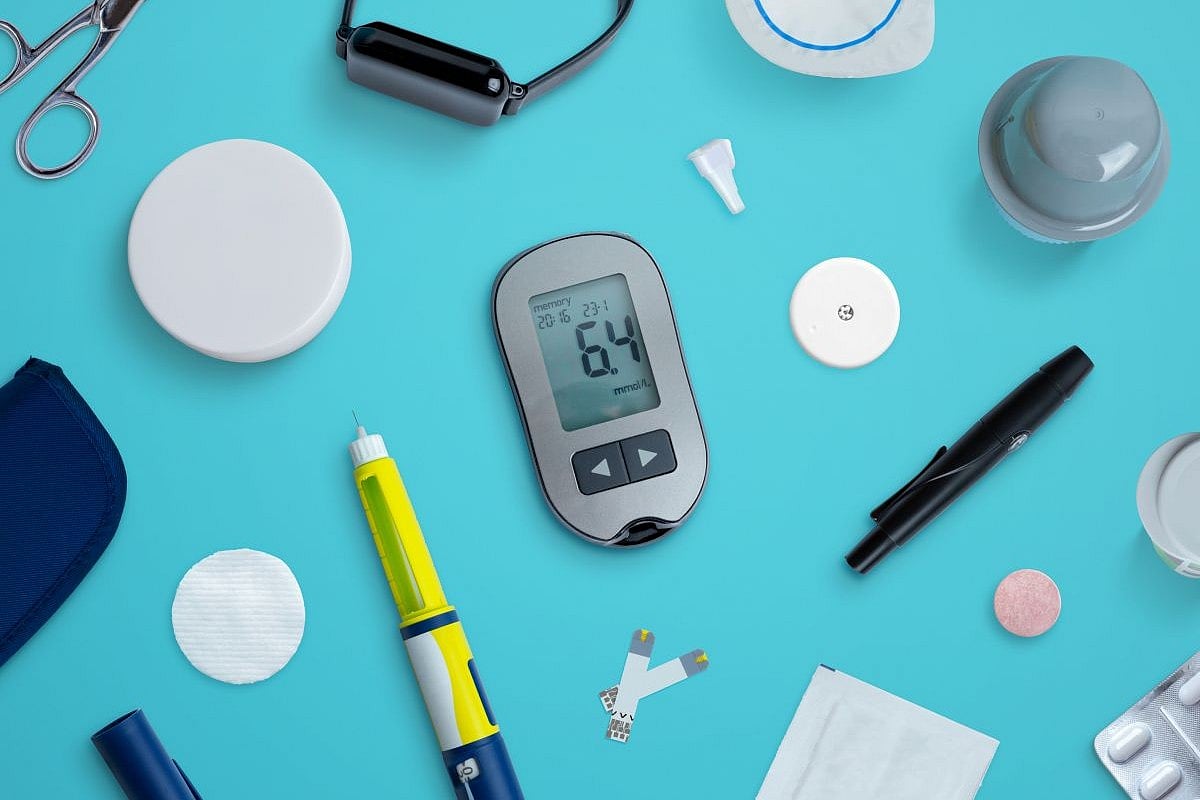 Study IDs Risk Factors for Ketoacidosis in Adults With T2D Receiving SGLT2 Inhibitors
 .jpg) Recommendations Updated for Management of Anemia in CKD
Recommendations Updated for Management of Anemia in CKD  Anifrolumab Tied to Lower Hospitalization, Infection Risk in Lupus
  Use of SAMA, SABA Linked to Cardiovascular Events, Mortality in Asthma, COPD
 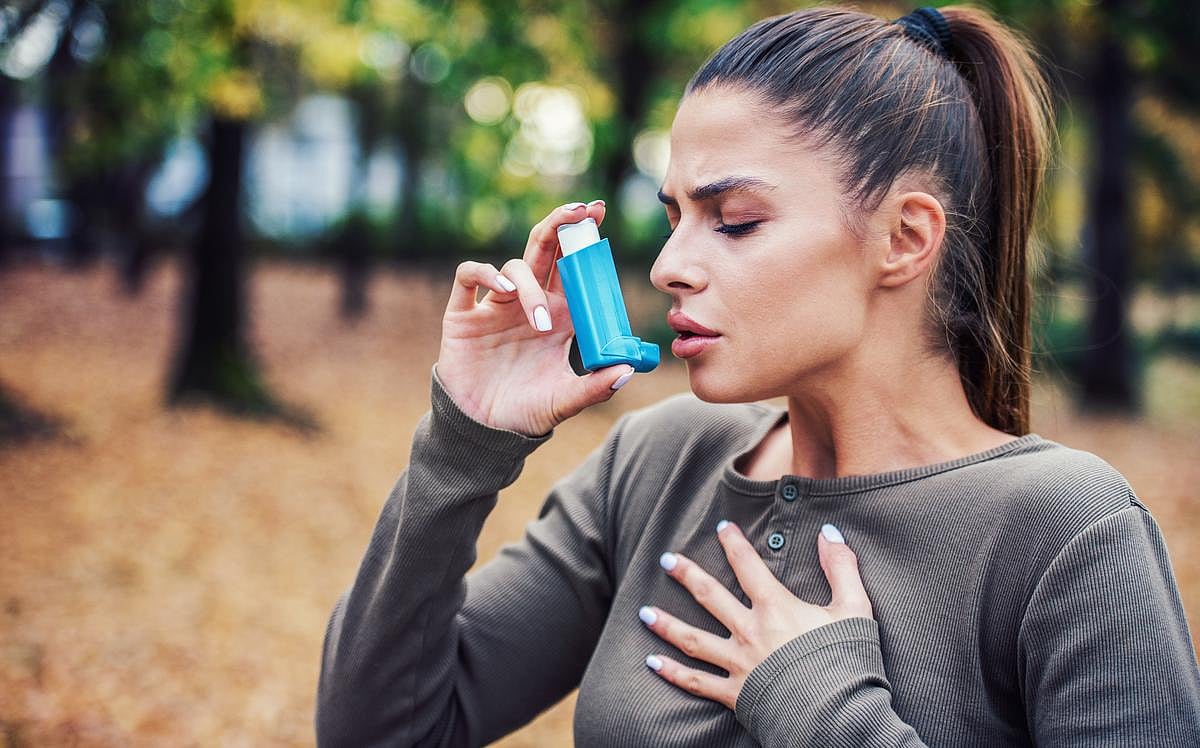 Aerobic Training, Behavioral Interventions Both Clinically Improve Asthma Control
  NOACs Linked to Slower Cognitive Decline in Patients With A-Fib, Alzheimer Disease
  Intensive BP Lowering Reduces Recurrent Stroke After Intracerebral Hemorrhage
 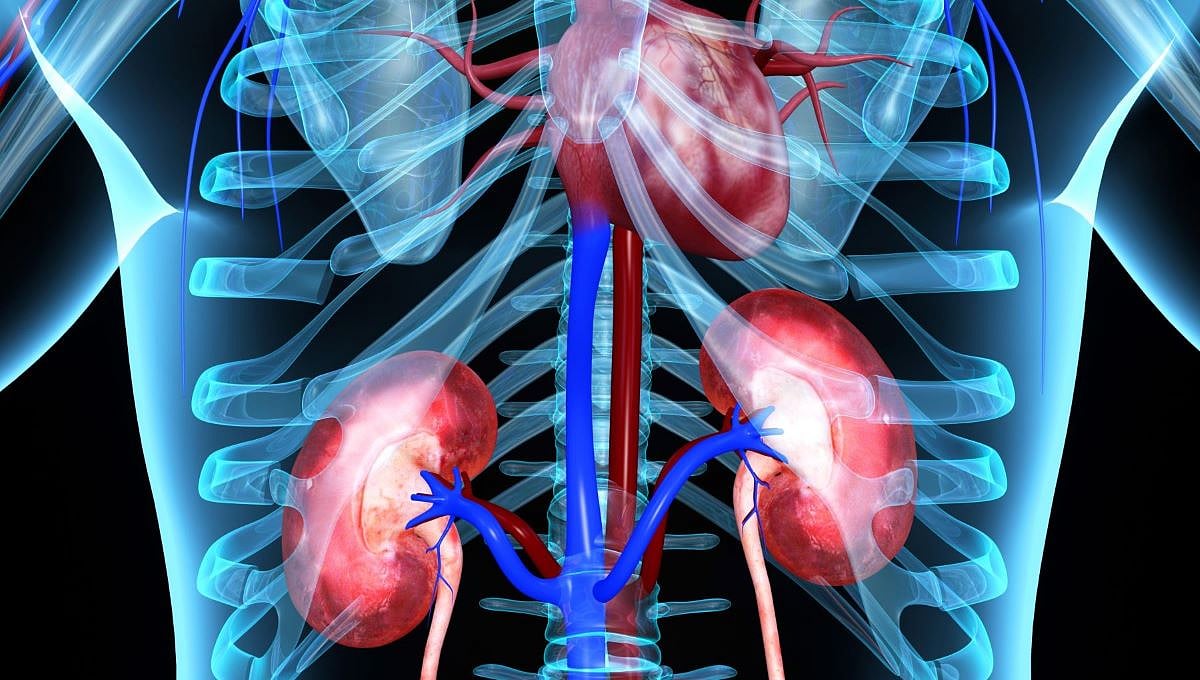 2011 to 2021 Saw Heart Failure-Related Hospitalization Rise in CKD