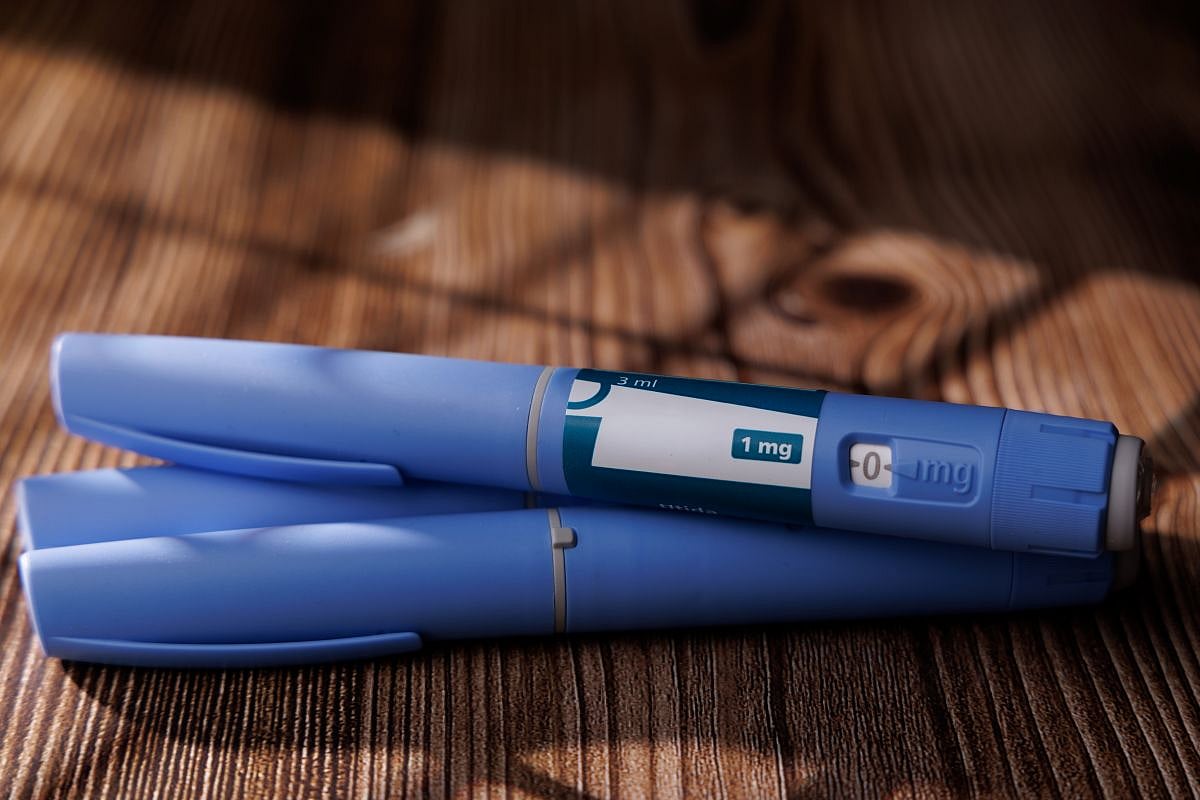
No reduction seen in hip pain, but improvement seen in most secondary outcomes among adults with hip osteoarthritis and overweight, obesity
THURSDAY, Aug. 7, 2025 (HealthDay News) — For adults with hip osteoarthritis and overweight or obesity, a very low-calorie diet (VLCD) plus exercise does not reduce hip pain, but does improve most secondary outcomes, according to a study published online Aug. 5 in the Annals of Internal Medicine.
Michelle Hall, Ph.D., M.D., from The University of Sydney, and colleagues examined the efficacy of a weight loss diet added to exercise on change in hip pain in a two-group superiority randomized trial involving 101 adults with hip osteoarthritis and overweight or obesity. The exercise-only group and VLCD-plus-exercise group were provided with a six-month home exercise program via five telehealth consultations; the VLCD-plus-exercise group also received six telehealth consultations.
The researchers found that the VLCD-plus-exercise group lost 8.5 percent more weight than the exercise-only group, but VLCD plus exercise was not more effective for change in hip pain severity at six months. For other secondary outcomes at six months, between-group differences favored VLCD plus exercise, apart from the Hip Disability and Osteoarthritis Outcome Score (HOOS) pain and function. Weight, body mass index, HOOS pain and function, and overall hip improvement favored VLCD plus exercise at 12 months, but quality of life and physical activity did not.
“In persons with hip osteoarthritis and overweight or obesity, adding a VLCD to exercise that resulted in substantial weight loss did not affect the primary outcome of hip pain severity relative to exercise alone at either six or 12 months,” the authors write.
Abstract/Full Text (subscription or payment may be required)
 Mindfulness, Tai Chi May Benefit Cancer Survivors
  Multicomponent Interventions Offer Little Impact on Fall Risk
  Intrauterine Instillation of Mepivacaine Reduces Pain of IUD Placement
  Structured Exercise Should Be Considered as Adjunct Therapy for Cancer
  Blinatumomab Improves Event-Free Survival in Children With High-Risk B-Cell ALL
 .jpg) Mortality Lowest at Hemoglobin Concentrations Above WHO Thresholds
Mortality Lowest at Hemoglobin Concentrations Above WHO Thresholds  AACR Annual Report Highlights Progress in Cancer Research
  Relapse Rare After Appendiceal Adenocarcinoma Resection
.jpg)