


 Most prevalent allergens are peanut, milk, shellfish, and tree nut
MONDAY, Nov. 19, 2018 (HealthDay News) — The prevalence of food allergy (FA) is 7.6 percent among children in the United States, according to a study published online Nov. 19 in Pediatrics.
Ruchi S. Gupta, M.D., M.P.H., from Northwestern University in Chicago, and colleagues administered a survey to U.S. households between 2015 and 2016 and obtained parent-proxy responses for 38,408 children to examine the prevalence of childhood FA.
After excluding 4 percent of children whose parent-reported FA reaction history was inconsistent with immunoglobulin E-mediated FA, the researchers found an estimated current FA prevalence of 7.6 percent. Peanut, milk, shellfish, and tree nut were the most prevalent allergens (2.2, 1.9, 1.3, and 1.2 percent, respectively). Of the food-allergic children, 42.3 and 39.9 percent reported one or more severe FA and multiple FAs, respectively. Nineteen and 42.0 percent reported one or more FA-related emergency department visits in the previous year and one or more lifetime emergency department visits, respectively; 40.7 percent had a current epinephrine autoinjector prescription. African-American children and children with atopic comorbidities had higher prevalence rates.
“Overall, these findings provide critical epidemiologic information that improves understanding of the public health impact of childhood FA,” the authors write.
 High Intake of Eggs, Peanuts in Pregnancy Does Not Lower Allergy Risk
 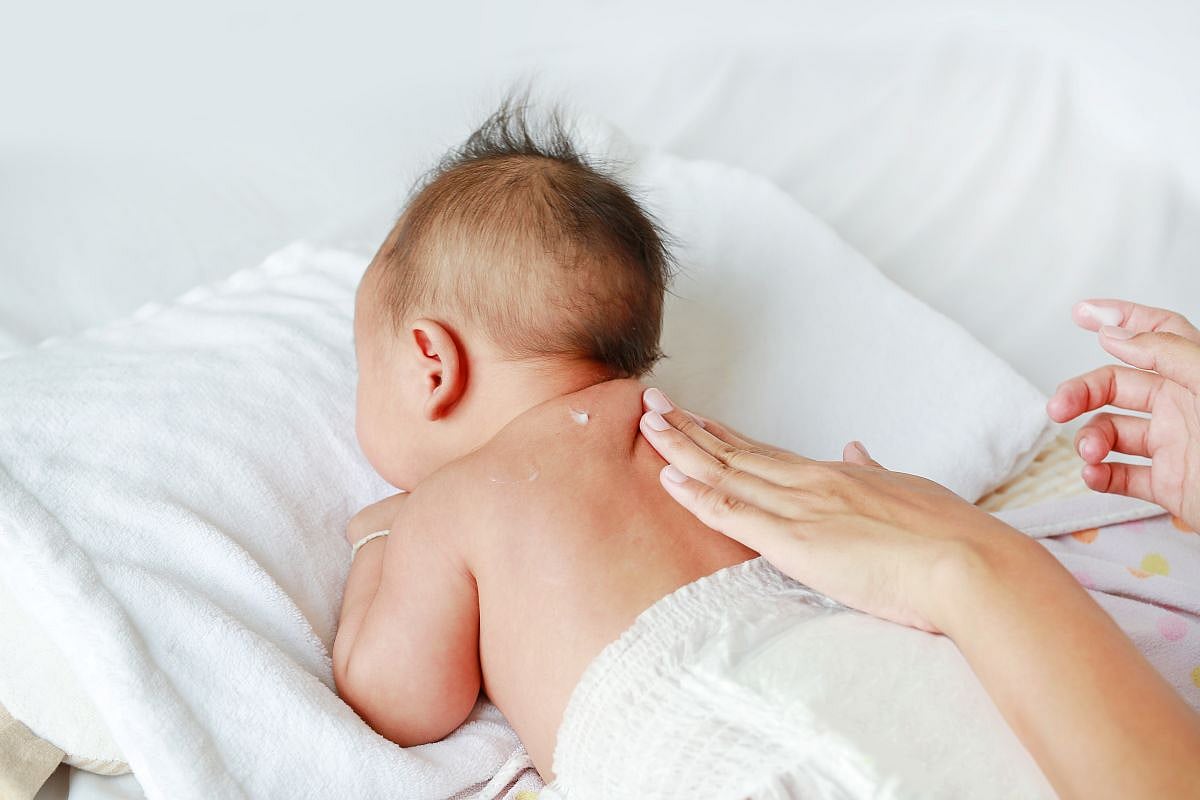 Distinct Skin Microbiome Features Emerge Before Atopic Disease Onset in Infants
  Omalizumab, Multiallergen OIT Both Viable for Multifood Allergy Treatment
  CDC: Seroprevalence of Alpha-Gal IgE Antibodies Highest in States With Elevated Case Counts
  CDC: 1,955 Arboviral Disease Cases Reported in 48 States, D.C. in 2024
  Earlier Introduction of Eggs to Infants" Diets Tied to Decrease in Egg Allergies
  Risk Factors Associated With Child Food Allergy Identified
  Food-Induced Allergic Reactions Needing ED Visit on the Rise in Infants



.jpg)