Incidence increased 76 percent, mortality increased 65 percent, and disability-adjusted life years increased 52 percent
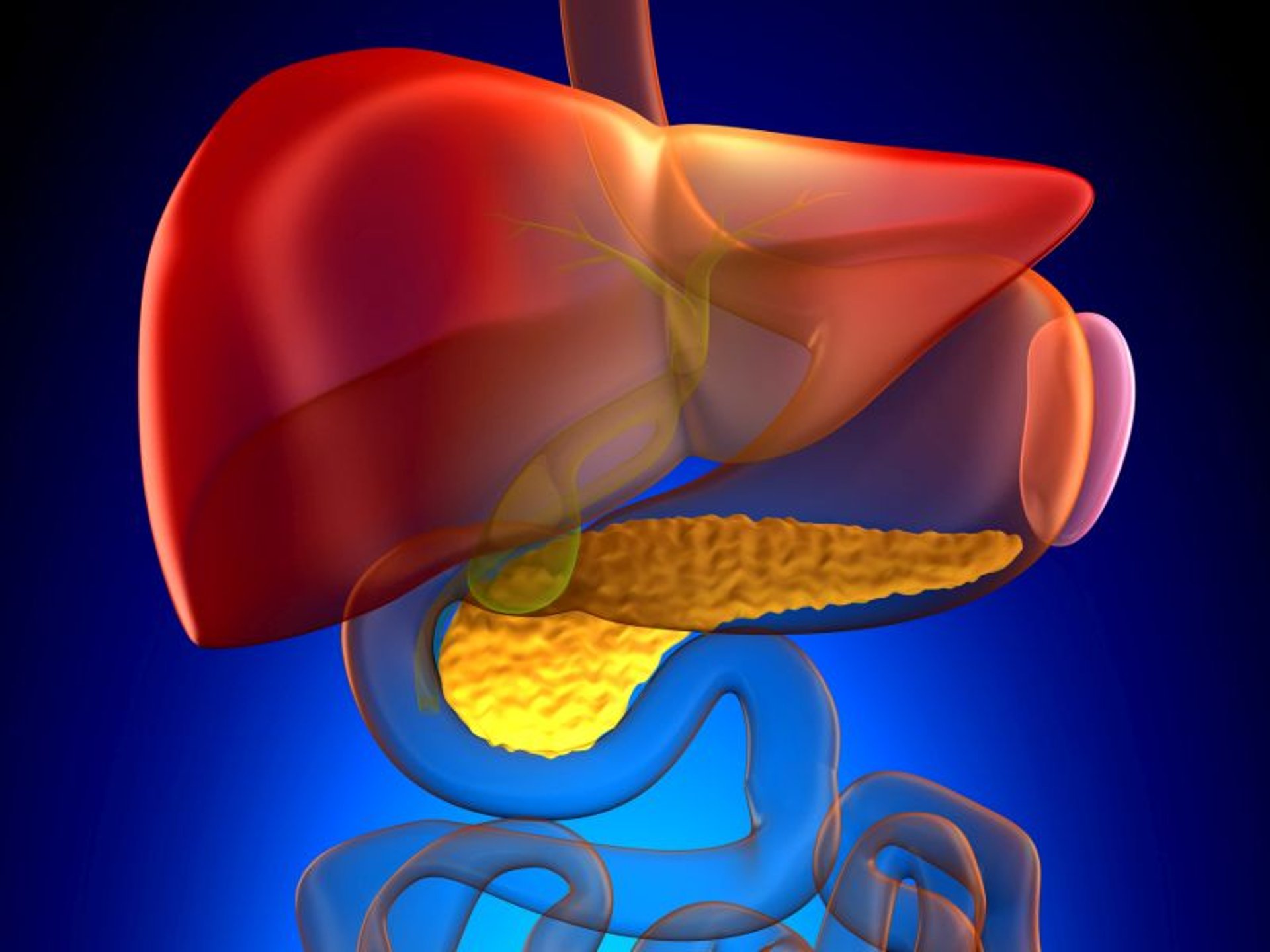
MONDAY, March 22, 2021 (HealthDay News) — From 1990 to 2017, the incidence of and mortality due to gallbladder and biliary tract cancer (GBTC) increased, according to a study published online March 22 in Cancer.
Guoqing Ouyang, from Liuzhou People’s Hospital in China, and colleagues extracted incidence rates, mortality, and disability-adjusted life years (DALYs) of GBTC from 1990 to 2017 from the Global Burden of Diseases Study. During the study period, the estimated annual percent changes (EAPCs) were calculated to quantify GBTC trends.
The researchers identified 210,878 new cases, 173,974 deaths, and 3,483,046 DALYs due to GBTC globally in 2017. From 1990 to 2017, there was a 76 percent increase in GBTC incidence, 65 percent increase in mortality, and 52 percent increase in DALYs. Greater incidence and death rates were seen in relatively higher Socio-Demographic Index regions, but the age-standardized incidence rate (ASIR) and age-standardized death rate (ASDR) decreased greatly. In 2017, the highest ASIR and ASDR were seen in Chile (10.38 and 10.43 per 100,000 population, respectively). The largest increases in ASIR and ASDR were seen in Georgia (EAPCs, 3.38 and 3.39, respectively). At the 21 Global Burden of Diseases regional levels and the national level, there were nonlinear associations noted between the ASDR, the Socio-Demographic Index, and DALYs. Overall, 15.4 and 16 percent of GBTC age-standardized deaths and DALYs, respectively, were attributable to high body mass index.
“Our findings may be valuable for policymakers to establish cost-effective methods for the early diagnosis, prevention, and treatment of GBTC, reducing its modifiable risk factors, and reversing the increasing trend,” the authors write.
Abstract/Full Text (subscription or payment may be required)
 Pharmacist-Led Med Review Improves Medication Quality in Older Patients With Cancer
  Mindfulness, Tai Chi May Benefit Cancer Survivors
 .jpg) Mortality Lowest at Hemoglobin Concentrations Above WHO Thresholds
Mortality Lowest at Hemoglobin Concentrations Above WHO Thresholds  Structured Exercise Should Be Considered as Adjunct Therapy for Cancer
  Blinatumomab Improves Event-Free Survival in Children With High-Risk B-Cell ALL
  AACR Annual Report Highlights Progress in Cancer Research
  Cancer Drug Shortages Persist at All Cancer Centers
  Relapse Rare After Appendiceal Adenocarcinoma Resection
 .jpeg)