The 103rd Annual American College of Surgeons Clinical Congress
The annual meeting of the American College of Surgeons was held from Oct. 22 to 26 in San Diego and attracted approximately 14,000 participants from around the world, including surgeons, medical experts, allied health professionals, and administrators. The conference included hundreds of general and specialty sessions, postgraduate courses, scientific paper presentations, video-based education presentations, and posters focused on the latest advances in surgical care.
In one study, Zain G. Hashmi, M.D., of Sinai Hospital in Baltimore, and colleagues found that states with poor access to trauma center care had more pre-hospital deaths than states with better access, which may contribute to higher overall trauma-related mortality.
“If all states improved access to trauma center care, 130,000 lives could potentially be saved after injury,” said Hashmi. “In the short term, this does not impact clinical practice. However, at a systems level, it provides the necessary evidence to advance the science and advocacy to help improve pre-hospital care.”
In another study, P. Ravi Kiran, M.D., of Columbia University in New York City, and colleagues evaluated outcomes associated with colorectal resection procedures spanning 10 years of the American College of Surgeons National Surgical Quality Improvement Program (ACS NSQIP).
“Over the period, we found reductions in mortality, infections — specifically surgical site infections — and respiratory complications,” said Kiran.
The investigators also found reductions in length of hospital stay. Improvements in these post-operative outcomes occurred in the decade after introduction of ACS NSQIP independent of other factors.
“The ACS NSQIP has developed an effective mechanism that allows the collection of predefined, robust perioperative data to help risk stratification and then the recording of outcomes using standardized definitions across the board. Considering the quality of these data, valuable information related to anticipated recovery and outcomes after colorectal surgery is available and can be used for benchmarking,” said Kiran. “The mere availability of such good-quality information begets better outcomes since providers and institutions strive to ensure that patients managed by them do as well as expected.”
In an analysis of the ACS NSQIP database, Timothy M. Ullmann, M.D., of Weill Cornell Medical College in New York City, and colleagues found that an increasing number of thyroid cancer patients are being treated with hemithyroidectomy rather than total thyroidectomy. Specifically, at NSQIP-participating hospitals, the percentage of thyroid cancer patients treated with hemithyroidectomy seems to have increased from 15.6 percent to 18.3 percent.
 Early Complications Common in Older Kidney Transplant Recipients
  PET/MRI Offers Diagnostic, Prognostic Value in Pediatric Epilepsy
  Less Intraoperative Crystalloid Fluid Not Tied to Worse Surgical Outcomes
  Surveillance Colonoscopy at Five Years After Adenoma Removal Noninferior to Three Years
  Family History of CRC Increases CRC Risk Similarly in IBD, General Population
 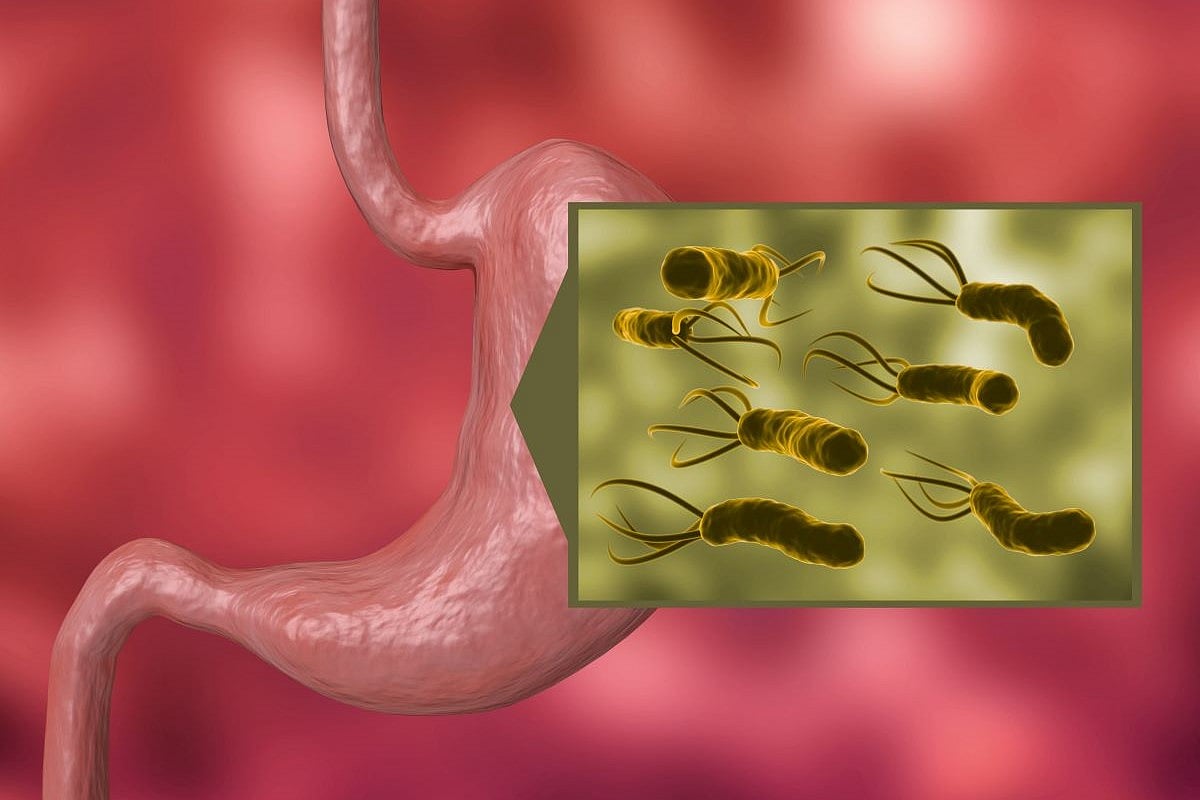 H. Pylori Exposure May Contribute to Global Burden of Colorectal Cancer
  Couples" Coping Skills Help Reduce Depression in GI Cancer Survivors
  Organized, Biennial FIT-Based Screening Linked to Lower Colorectal Cancer Mortality
 .jpeg)