


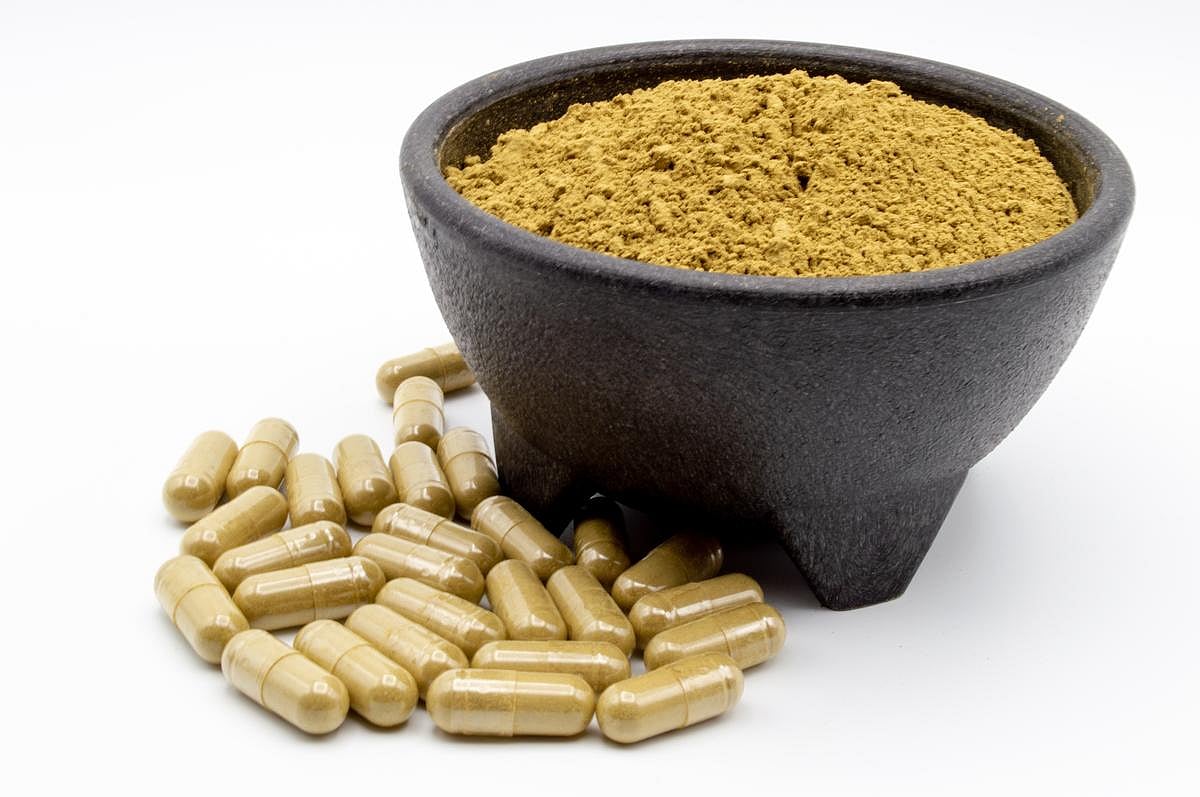
One telehealth clinic saw kratom users jump from 3% to 14% of new patients in less than a year
TUESDAY, Sept. 22, 2026 (HealthDay News) — Addiction treatment centers across the United States are seeing more patients who have become dependent on kratom and a stronger compound made from it, known as 7-OH.
At the telehealth clinic Boulder Care, the share of new patients who reported using kratom products climbed from 3% in September 2025 to 8% in July 2026. By August, it had reached 14%, according to company figures shared with STAT.
“That really is quite an explosion,” Dr. Ayesha Appa, head of medical affairs at Boulder Care, told STAT.
Kratom comes from the leaf of a tree native to Southeast Asia. It”s been sold in the United States for decades, usually as a powder, pill or tea. It is often marketed to lift the mood, boost energy or ease pain.
But many patients now report using newer products with high levels of 7-hydroxymitragynine (7-OH).
The kratom leaf contains only trace amounts of this compound naturally. Unlike kratom”s main ingredient, 7-OH acts directly on opioid receptors in the brain, so its effects can be stronger and more like those of opioids, including sleepiness and euphoria.
Some 7-OH products are misleadingly marketed as kratom, and products of both types have been found to contain ingredients not listed on the label, STAT reports.
Dr. Steve Klein, a physician at Caron Treatment Centers in Pennsylvania, said use tends to start out in a fairly harmless way. Patients see the products sold over the counter and assume they can”t be that risky. Over time, some slide into what Klein calls a “potency rabbit hole.”
Klein has also seen people in recovery from opioid use disorder lose control quickly after trying kratom.
“People can experience incredibly severe opioid withdrawal while buying something marketed as wellness,” Appa said.
Last year, two inpatient clinics run by Recovery Centers of America in Massachusetts typically admitted no more than one kratom patient a week. Withdrawal symptoms were mild.
Those clinics now see 10 to 20 patients a week who are dependent on kratom or 7-OH or use them alongside other substances, said Dr. Myles Jen Kin, a medical director for the group.
The withdrawal symptoms of kratom are similar to those of traditional opiates and can include agitation, sweating, anxiety and diarrhea, Jen Kin told STAT.
Last month, nearly 1 in 3 new Boulder Care patients starting buprenorphine, a medication often used to treat opioid withdrawal, said they were currently using kratom or 7-OH.
Rules on these products vary widely by location. The U.S. Food and Drug Administration has called 7-OH an emerging opioid threat.
The Drug Enforcement Administration has proposed a rule that would effectively ban 7-OH above a certain level, though it isn”t final. Many states have already passed their own restrictions.
Appa suspects access lost due to state restrictions is pushing some users into withdrawal.
 People With Autism Have Shorter Life Expectancy
  Distinct Characteristics ID"d for Patients With Rheumatoid Conditions, Opioid Use Disorder
  People Using Illicitly Sourced Fentanyl Face Worse Outcomes Than Medically Sourced Users
  CDC: Buprenorphine Treatment Differs in Urban, Rural Areas
  Spinal Cord Stimulation Cuts Pain, Improves Sensation With Diabetic Nerve Damage
 .jpeg) Breathing Interventions May Curb Cravings With Substance Use
Breathing Interventions May Curb Cravings With Substance Use  Botox Helpful in Alleviating Chronic Migraine in Pediatric Patients
  Platelet-Rich Plasma, Shockwave Therapy Show Therapeutic Efficacy in Interstitial Cystitis


.jpg)